In this article, we will look at symmetry – a concept that can be found both in mathematics and in the world around us. We will examine where symmetry occurs in nature and in the human body, and then show you how to make a paper snowflake that is perfect for winter decorations!
What is symmetry?
Symmetry occurs when we can place a mirror in the centre of a figure or image and obtain exactly the same image or figure. We can use small mirrors to check where symmetry occurs. We can see that it is visible in the human body – for example, hands, feet, eyes and ears are approximately symmetrical. However, some organs do not have pairs, e.g. the heart, and the lungs, although they come in a pair, they are not identical.
Symmetry in nature
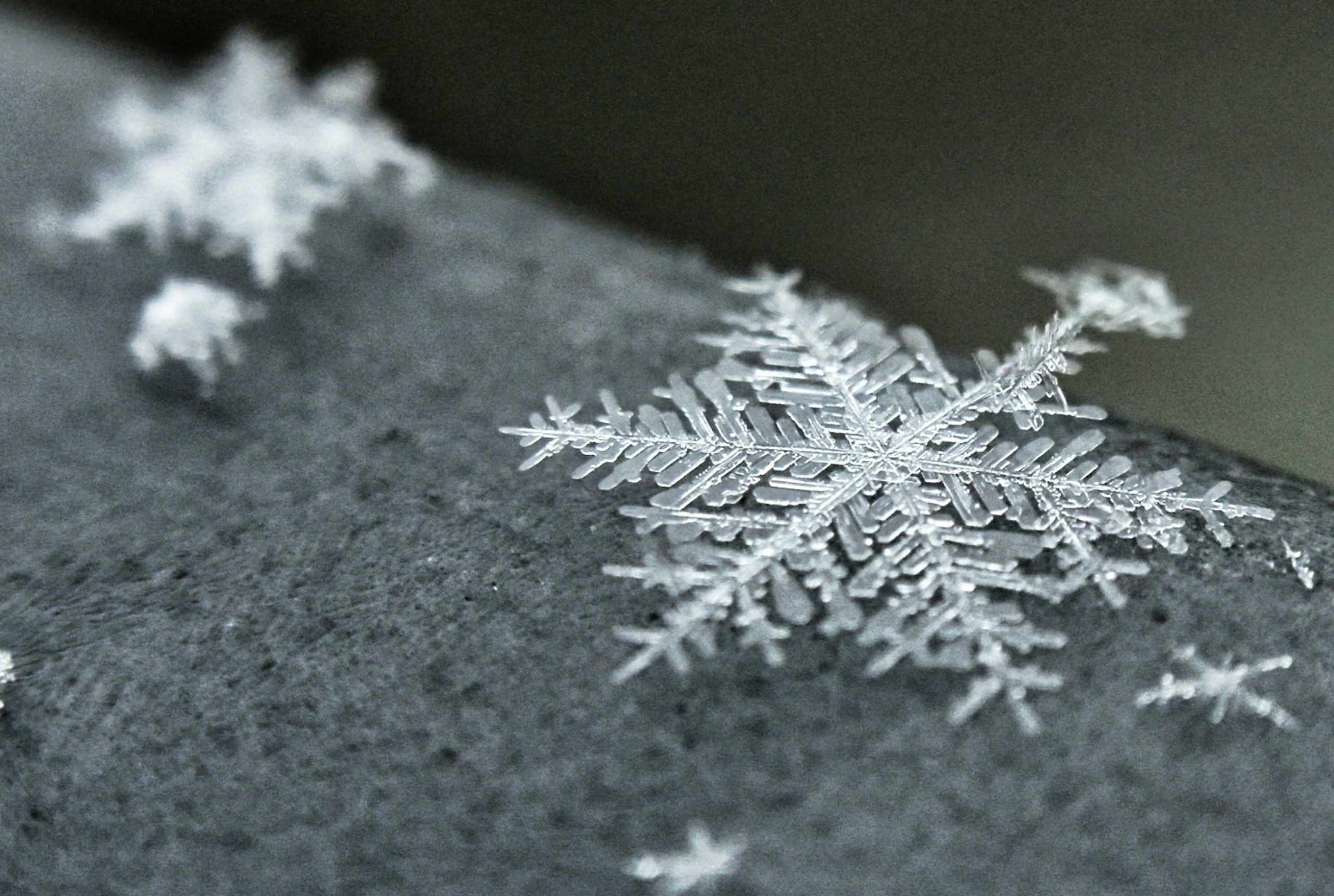
When observing the shapes of plants, animals and elements of nature, it is easy to notice a fascinating characteristic. Many of them exhibit different types of symmetry. Examples include snowflakes, flower calyxes, fruit cross-sections, butterfly wings and leaves. These symmetries are not perfect, but they show that this is a common feature in nature.
Creating a symmetrical snowflake
Snowflakes captivate us with their symmetrical and varied shapes. Their beautiful patterns can inspire creative fun at home. Paper snowflakes can be a beautiful winter decoration – all you need to make them is a sheet of paper, scissors and a pencil 🙂
Instructions for making a paper snowflake
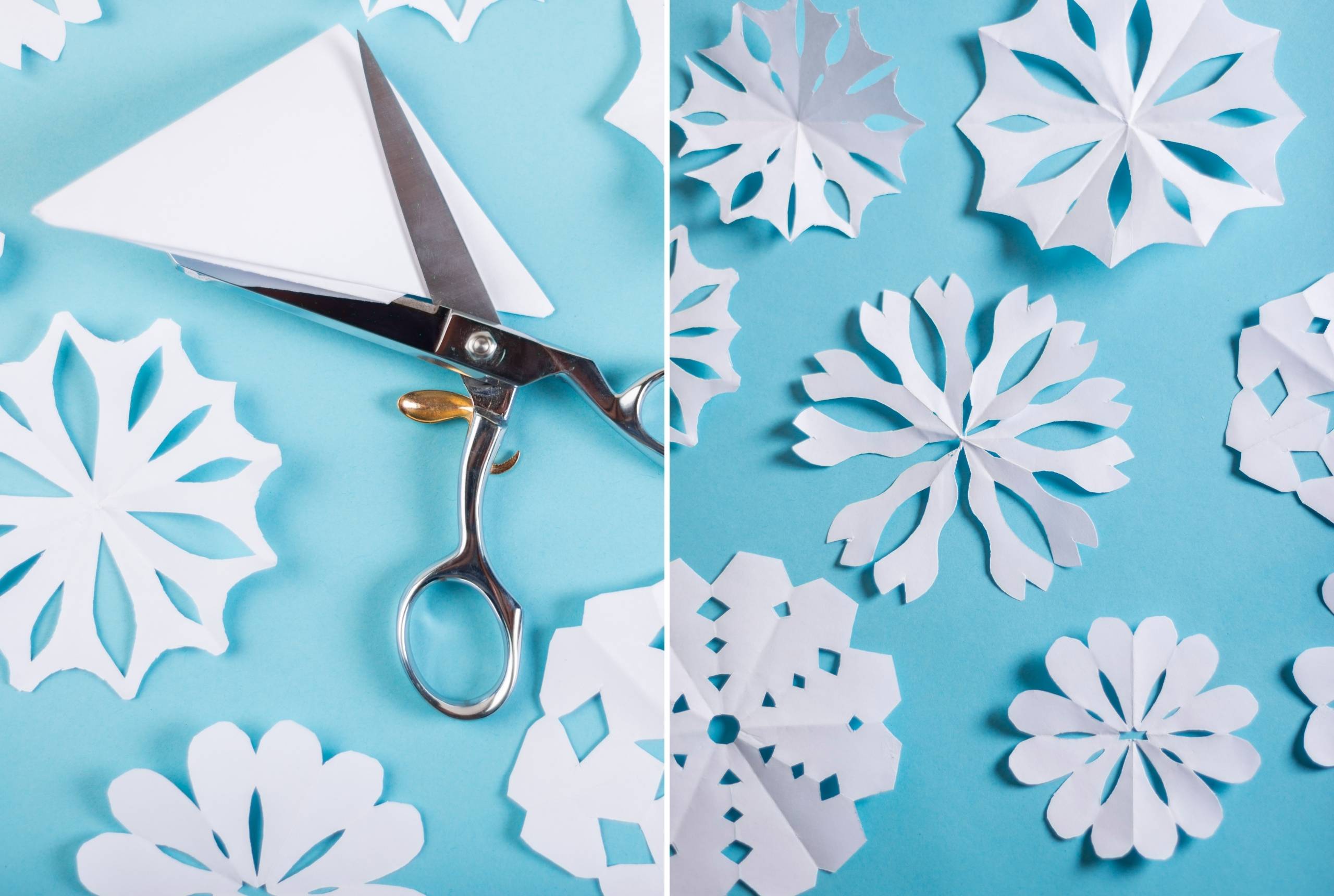
Fold the card into eight parts, then draw your pattern on the formed triangle. You can draw shapes such as triangles or arcs, which will then be cut out. Next, carefully cut along the lines you have drawn (cutting through the folded paper creates symmetrical patterns). Gently unfold the paper and you will see a beautiful, symmetrical snowflake!
Summary
Symmetry is present around us much more often than you might think – in nature, in the structure of our bodies and in everyday objects. Thanks to simple examples and creative art work, it is easier to notice and understand. Making your own paper snowflake is an accessible way to combine theory with practice, while developing your imagination and manual skills.
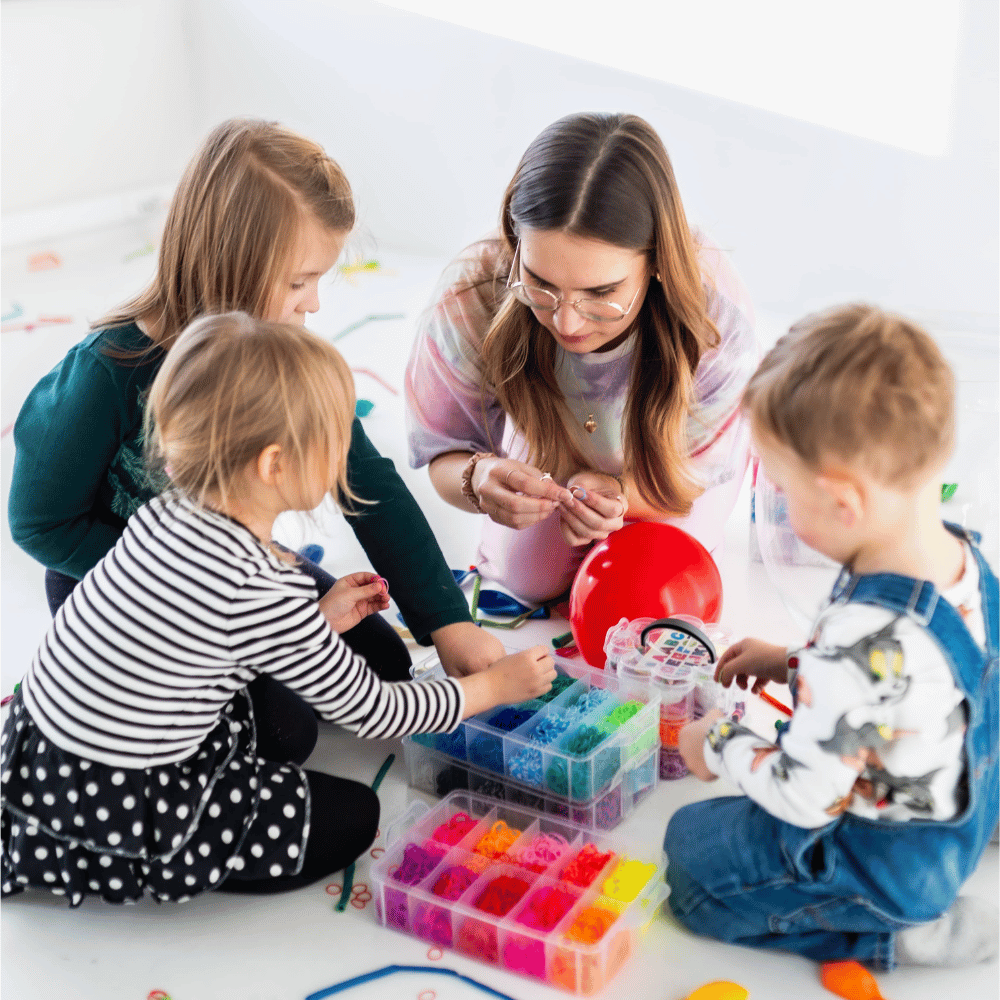
We also carry out similar educational activities during events we organise for children, where learning meets fun and exploring the world together. We offer a wide selection of prepared topics, as well as the possibility of creating events tailored to individual ideas and needs.