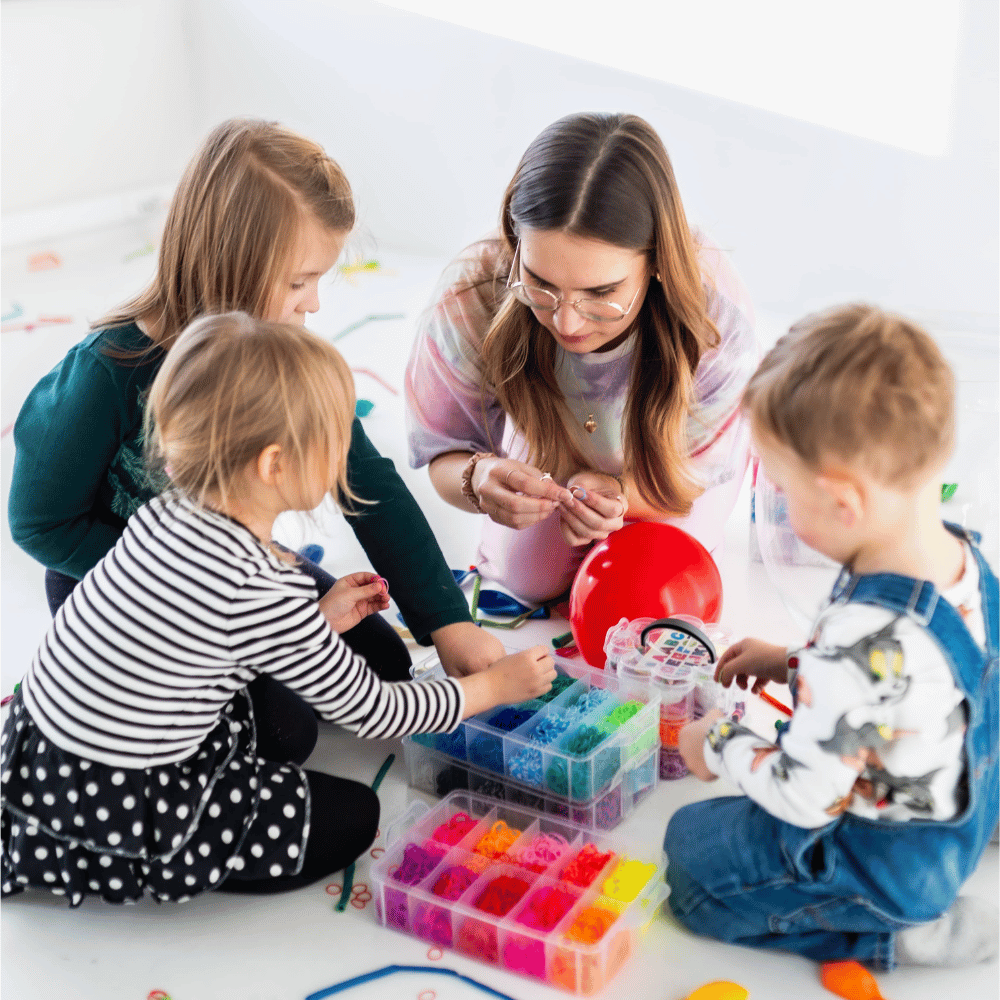
The nature that surrounds us can teach us a lot, if only we pay a little attention to it. One of the places where we can observe fascinating phenomena and a variety of plant and animal species is the forest. During a forest walk, we can take on the role of a forest detective and try to determine the age of a tree!
How to determine the age of a tree?
A walk in the forest is an extraordinary nature lesson. We can quietly observe nature and discover the habitats of insects and animals. Among these observations, it is difficult not to notice the trees surrounding us. We may already be able to recognise their species, but do we know how to determine their age? There are several interesting ways to do this!
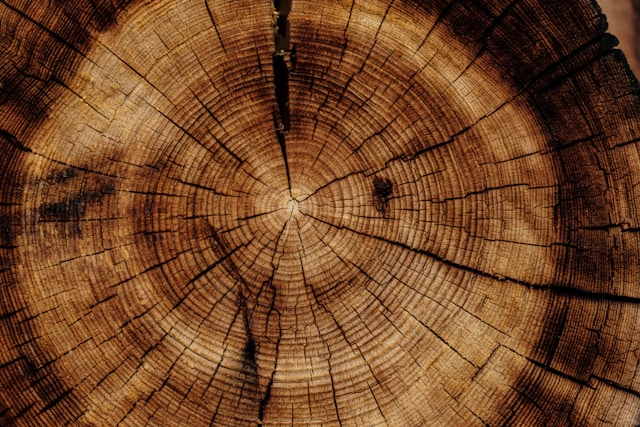
Method 1 – Count the tree-rings!
Słoje to charakterystyczne, okrągłe pierścienie widoczne po przecięciu pnia drzewa w poprzek. Każdy z nich symbolizuje jeden rok jego życia – im więcej słojów, tym starsze drzewo. U młodych drzew odstępy między słojami są szersze, a u starszych coraz ciaśniejsze. Jeśli masz przed sobą ścięty pień, policz słoje, zaczynając od środka i kierując się ku korze.
Method 2 – Measure the circumference of the trunk!
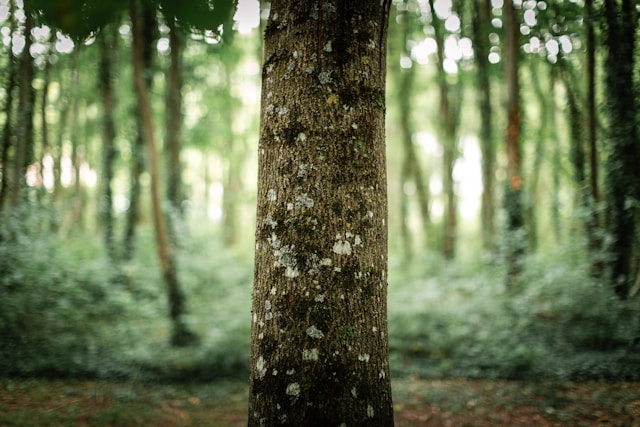
To determine the age of a growing tree, simply measure the circumference of its trunk. Wrap a tape measure around the trunk about one metre above the ground and note the result. Then divide the number by 5 and multiply the result by 2. This will give you the approximate age of the tree!
Method 3 – Compare them with others!
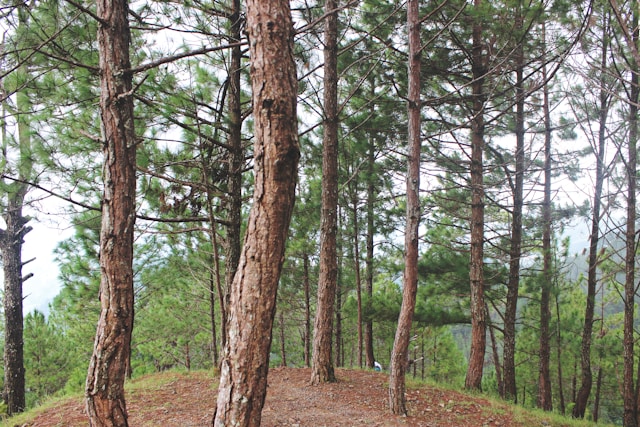
This method involves observing trees and comparing them with specimens of the same species and with statistics for these trees. This allows their age to be estimated using prepared tables, e.g.: drzewa.expert/tabela-wiekowa-drzewa
This method does not require cutting down trees or interfering with the forest, while at the same time allowing you to learn more about nature.
Summary
Playing forest detective is a great way to spend time actively outdoors, close to nature, combined with learning through one’s own experience. By giving children the opportunity to observe interesting phenomena and discover the rules of the world around them on their own, we support the natural process of learning and better retention of acquired knowledge.
Our event organization offer includes Minilaboratorium activities as one of the available options. Depending on the theme of the event, we select interesting and engaging exercises that provide children with lots of fun, while enriching the event with a valuable educational element.