Waste sorting is a topic that most of us are familiar with, but what happens to waste afterwards often remains out of sight. When discussing this topic with children, we can introduce the concepts of ecology and landfills, and to reinforce their knowledge, we can conduct an experiment illustrating the impact of different landfills on our environment.
Properly prepared landfills
How do our actions affect the planet? Ecology helps us understand this – it is the science of the structure and functioning of nature. Thanks to it, we learn about the relationships between organisms and their environment and how plants, animals and humans form a shared network of life. Every day, we try to live consciously, for example by sorting our rubbish. But what happens to our waste afterwards? To find out, we can conduct a simple experiment!
An experiment demonstrating the impact of landfills on the environment
Preparing the landfills
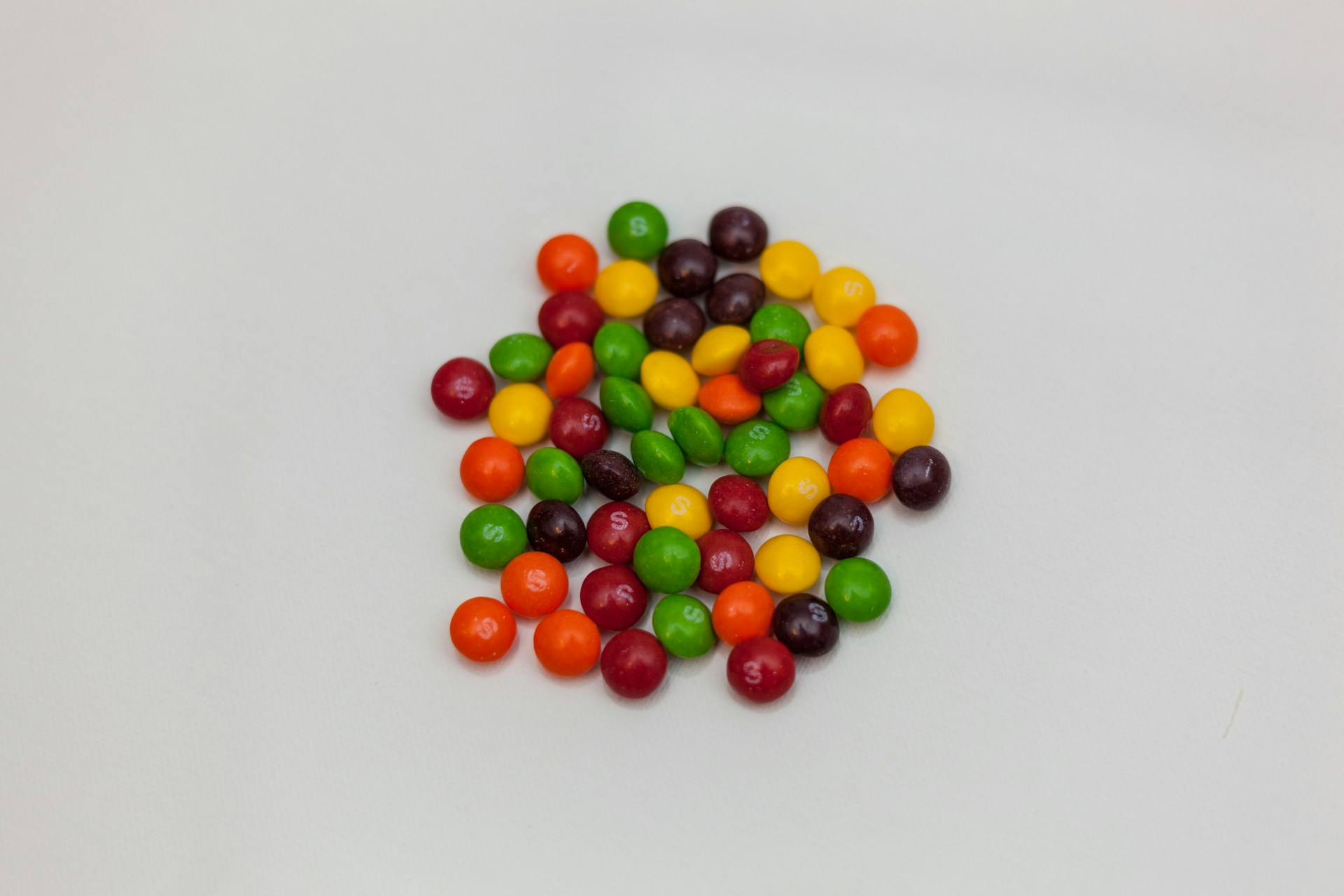
For this experiment, we only need a paper towel, some Skittles, cling film and a little water. First, we will prepare the first ‘wild’ landfill by folding a sheet of paper towel in half. We place the sweets, which symbolise waste, on the towel and spray them with water to imitate rain. After a while, we can notice colours appearing on the paper towel. Just as the sweets have left a mark on the paper towel, so does our rubbish leave a mark on the environment, and substances from the waste end up in the soil and water.
Eco-friendly landfills
Now we can create a second, eco-friendly landfill. We cover the paper towel with cling film (just as soil is covered with foil or an impermeable slab, so that water flows through channels into reservoirs without contaminating the soil) and repeat the steps, but this time we do not observe the staining of the paper towel.
Summary
Rubbish leaves a mark on the environment, and substances from waste can seep into the soil and water. Properly prepared landfills prevent this kind of pollution, and their systems protect against the spontaneous combustion of biogas produced during the decomposition of rubbish. What’s more, biogas can be collected, stored and converted into electrical energy! Many other interesting topics and experiences can be prepared by us as part of the children’s events that we organise, which combine fun with learning. In addition to many ready-made themed recommendations, there is also the possibility of implementing new, unique ideas. We encourage you to familiarise yourself with our event offer.